PROVENANCE DOSSIER // 1988–1996
The engine Japan kept for itself.
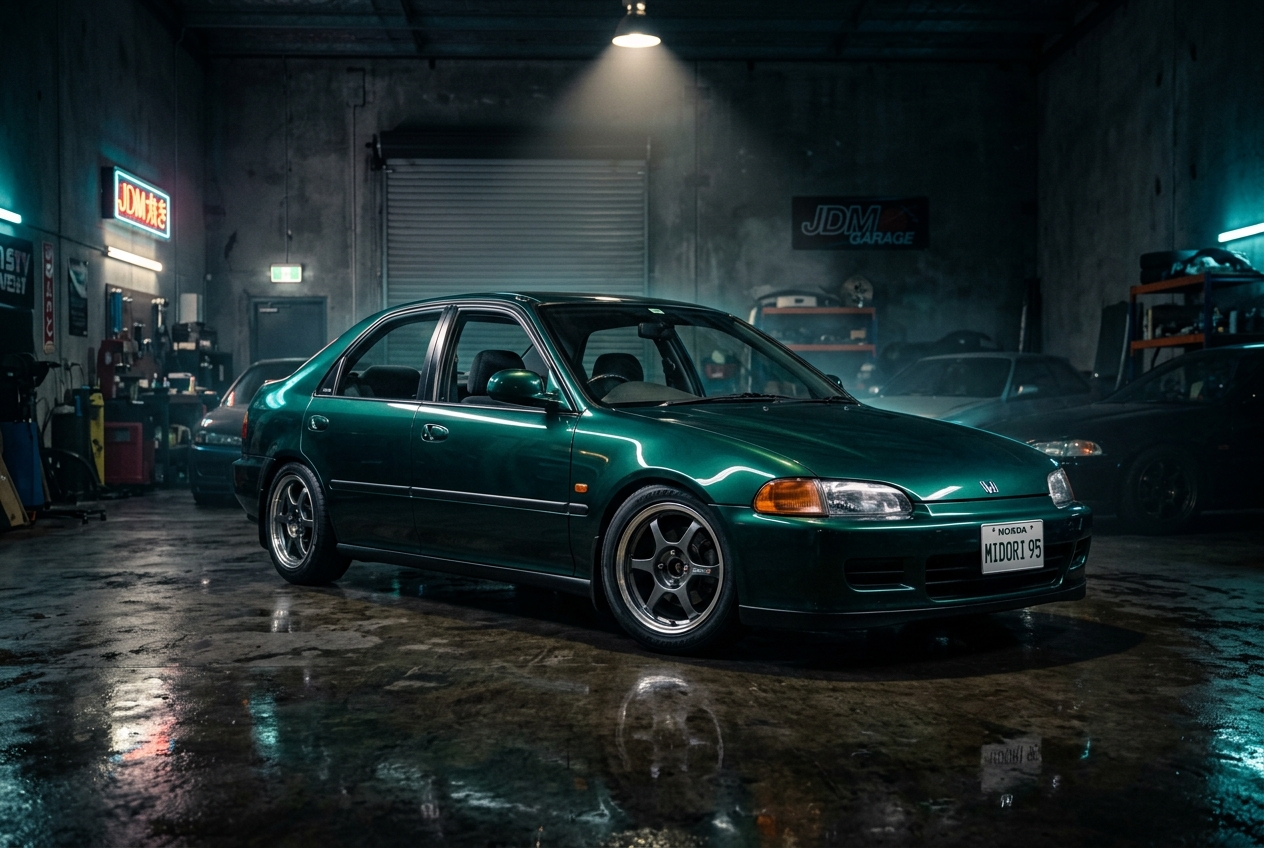
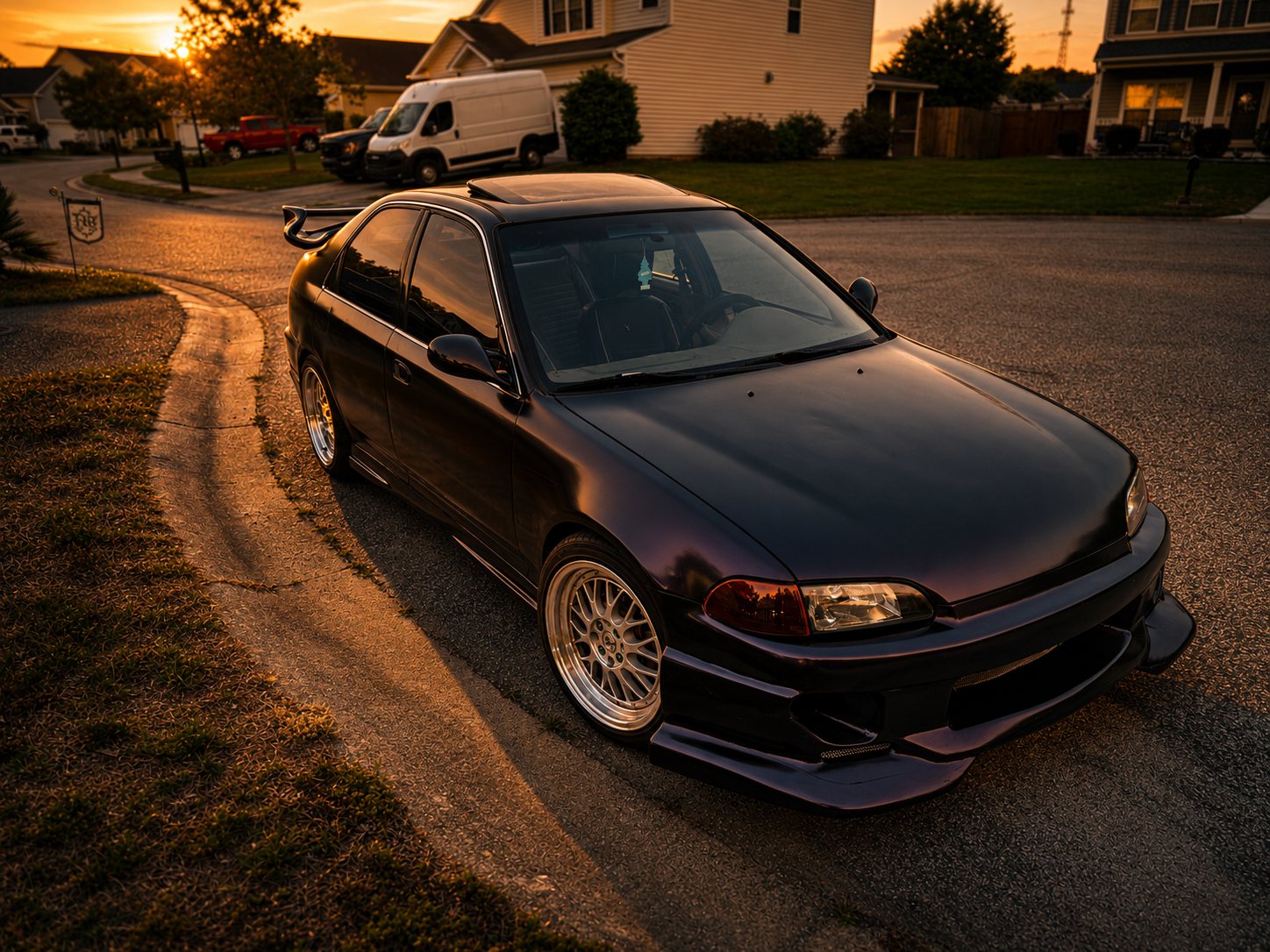
FIG. A — 1995 CIVIC EX SEDAN (E-EG8)
A quiet conspiracy of displacement.
While North America received the 1.6-litre D16Z6 in its Civic EX, Honda's home market was running something stranger: a 1.5-litre engine that made more power. The JDM D15B SOHC VTEC — 130 PS at 6,800 RPM from 1,493 cc — achieved its advantage through the high-flow P08 head, a wilder dual-profile cam and 9.3:1 compression.
In the four-door E-EG8 body it became the definitive sleeper: a family sedan silhouette with a 7,200 RPM redline, a hydraulic valvetrain that changed personalities at 4,600 RPM, and double-wishbone geometry at every corner.
This archive exists because these engines are now three decades old — imported, swapped, rebuilt and loved — and the knowledge to keep them alive deserves a proper drafting table.
DEVELOPMENT TIMELINE
1988
D15B debuts in the fourth-generation Civic — Honda's workhorse 1.5 begins its run.
1991
EG chassis launches; the JDM D15B VTEC arrives with the P08 head and 130 PS rating.
1992
Civic Ferio Si sedan pairs the 130 PS D15B with the S40 close-ratio gearbox.
1995
EG facelift (E-EG8): revised bumpers, OBD-1 electronics, the final and cleanest evolution.
1996
EK generation succeeds the EG; the D15B continues in three-stage VTEC form.
WHY THIS PAGE EXISTS
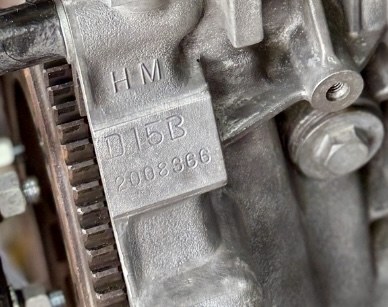
D15B 2008366 — one family, one engine, three decades.
In 1994 I pre-purchased my dream car — saved for it, ordered it, paid in full before it ever landed. For years I was certain there was a D16Z6 under the hood, and I built it like a young owner does: body kit, wheels, mods, late nights. Then life moved on. In 2003 the Civic went into my garage — and stayed for twenty years.
My son was born in 2008. I never pushed the car on him; I wanted him to find his own passions. He found cars anyway. In 2023, at fifteen, the decision made itself — the Civic became his, and we tore into a complete remake together: body, carpet, doors, CD player, hoses, brakes, calipers, booster, solenoids, harnesses, ABS, fuel pump, tank. Every bolt, side by side.
He got his license and fell hard. Then, less than a year in: one of the only two hoses we hadn't replaced wept onto the O2 sensor, the ECT reading went sideways, the mixture ran lean — and a piston crown paid for it.
The teardown rewrote thirty years of certainty. Etched into the block was no D16Z6 — D15B. At the Honda counter, the parts man tried to buy the car on the spot: a factory Japanese D15B, VIN-matched, never built in the US or Canada. And the full stamp read D15B 2008366. My son was born in 2008 — a leap year. 366 days. The engine had been wearing his number since the day it was cast.
Knowing sooner would have saved us: the timing belt one tooth shorter, the different oil pickup in the pan, a hundred small differences. This archive exists so the next family gets the answers we earned the hard way. If it means to you what it means to us — welcome.
Read the rebuild journal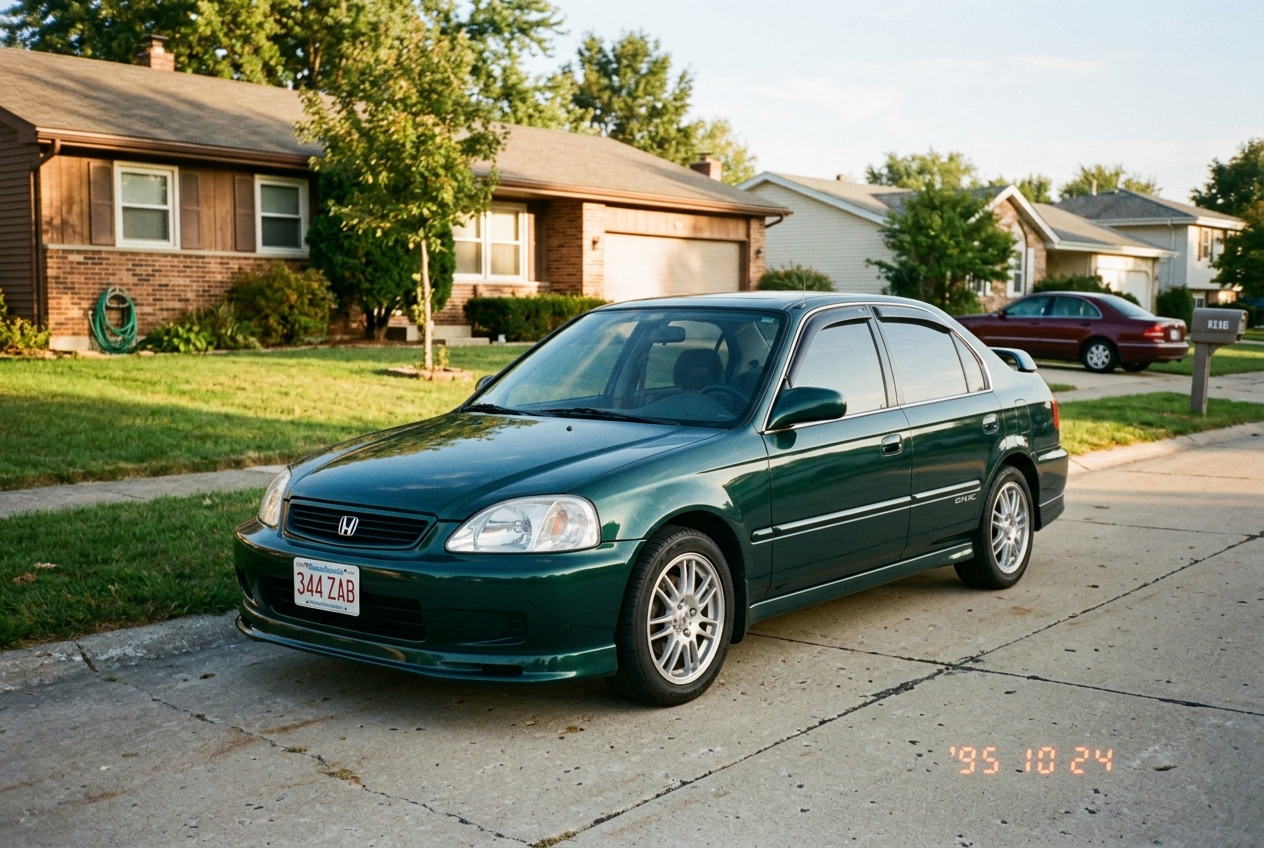
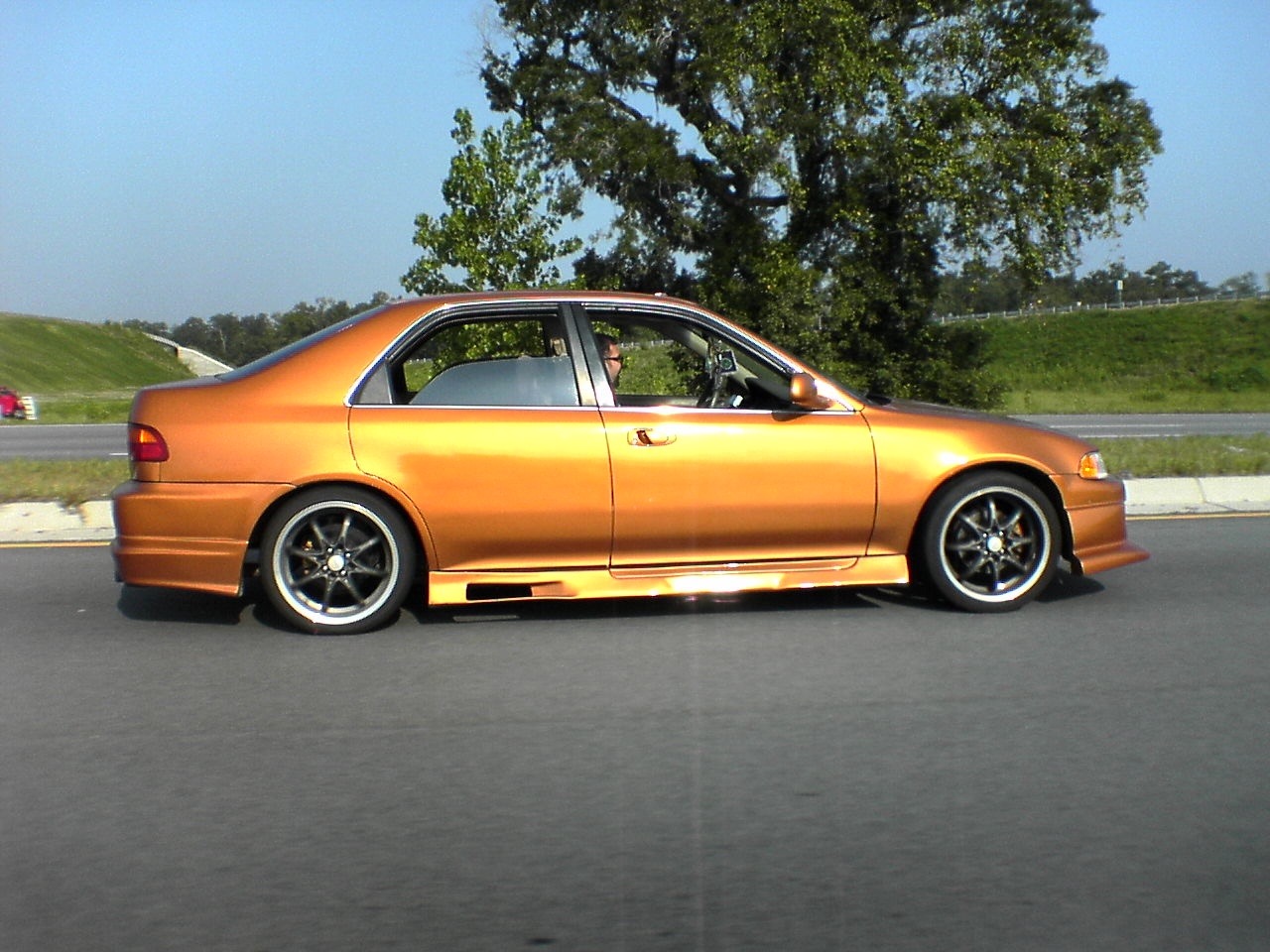
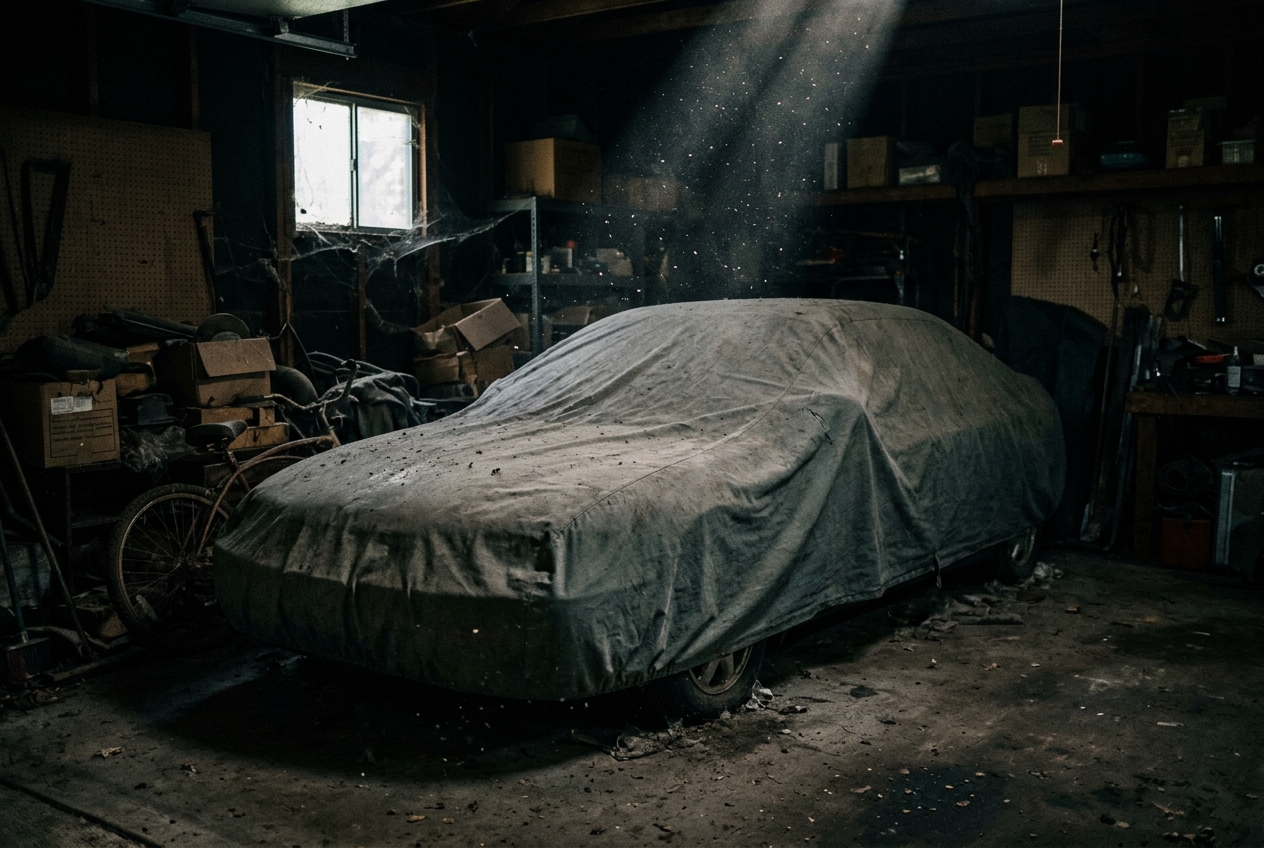
Then // Now — drag the line
Early 2000s — the first build
2023 — the rebuild
1994
Pre-purchased, paid in full — certain it held a D16Z6.
2003
Into the garage. Twenty years under cover.
2008
A son is born. A leap year — 366 days.
2023
The rebuild, together. Every bolt, side by side.
2024
The discovery: D15B 2008366. His number all along.
PRINCIPLE
本田技研工業 — engineering first, always.
The D15B is Honda's philosophy in miniature: extract more from less through precision rather than displacement. Every number in this archive — every torque figure, every clearance — is the residue of that obsession.
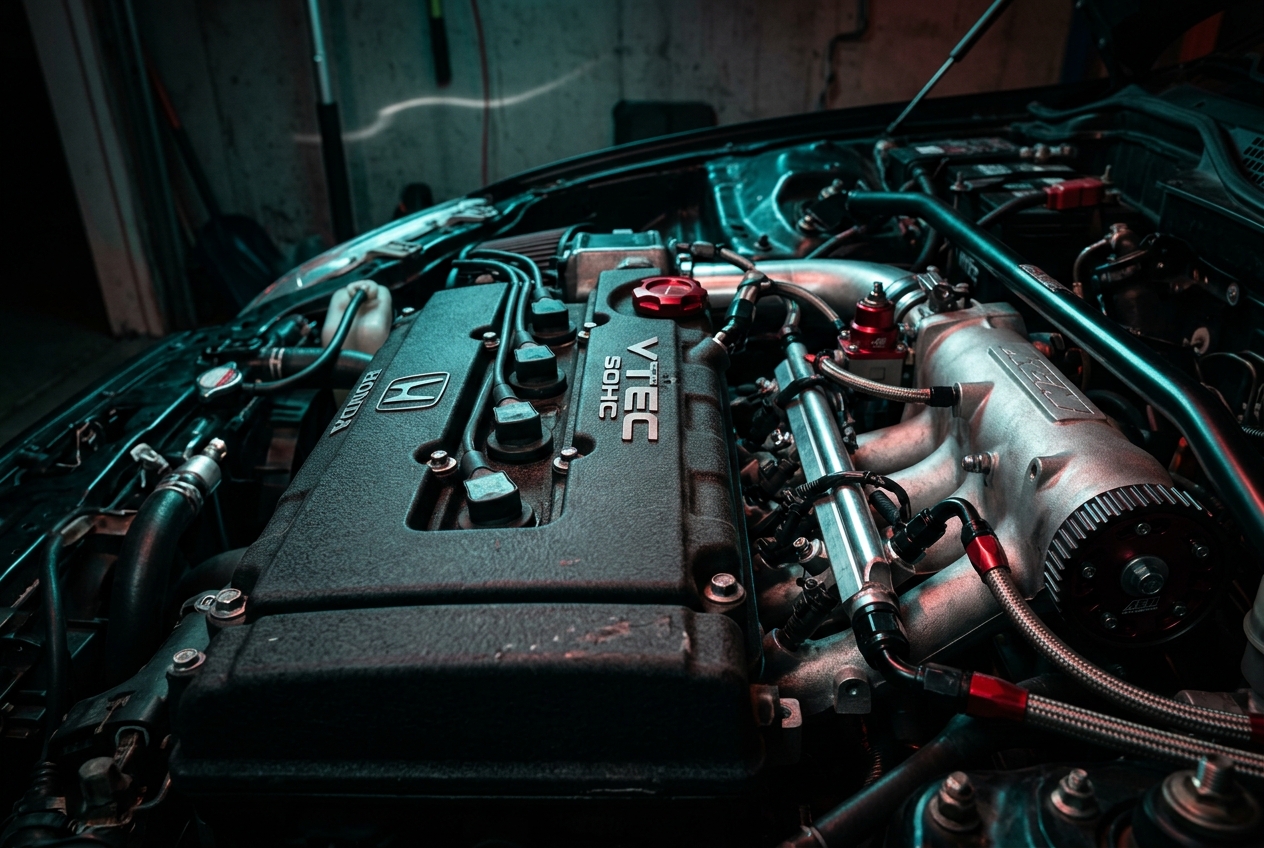
FIG. B — P08 VALVE COVER & INDUCTION